Introduction
Web design is the process of creating visually appealing, functional, and user-friendly websites. It blends creativity with technology to deliver engaging online experiences. A well-designed website not only attracts visitors but also enhances usability, accessibility, and brand identity. In this article, we explore the key principles, trends, and tools that define modern web design.
Key Principles of Web Design
1. User Experience (UX) & Usability
A great website is easy to navigate, intuitive, and accessible. Good UX design ensures users find what they need quickly while enjoying a smooth browsing experience. Factors like page load speed, mobile responsiveness, and clear navigation play a vital role.
2. Responsive Design
With the rise of mobile browsing, responsive web design has become a necessity. Websites must adapt seamlessly to different screen sizes and devices to provide a consistent user experience. Techniques like flexible grids, media queries, and scalable images ensure optimal responsiveness.
3. Aesthetic & Visual Hierarchy
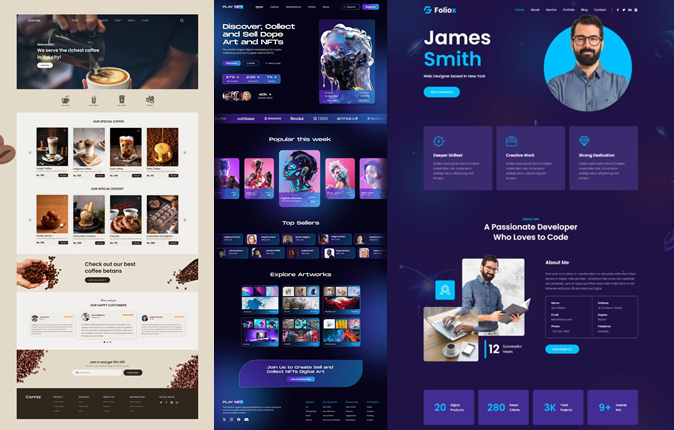
Web design is a visual medium, and aesthetics matter. Designers use elements like color schemes, typography, spacing, and imagery to create visually appealing layouts. Visual hierarchy helps guide users’ attention to key content, ensuring important information stands out.
4. Performance & Speed Optimization
Slow-loading websites drive users away. Optimizing images, minimizing code, leveraging caching, and using a content delivery network (CDN) can improve website performance and enhance user satisfaction.
5. SEO-Friendly Design
Search engine optimization (SEO) plays a crucial role in web design. Clean code, structured data, fast loading times, and proper use of headings and meta tags all contribute to higher search engine rankings.
Latest Trends in Web Design
1. Dark Mode & Minimalist Design
Dark mode has gained popularity for its sleek look and reduced eye strain. Minimalist design, with clean layouts and ample white space, improves readability and user focus.
2. AI & Chatbots
AI-powered chatbots and virtual assistants enhance user interaction by providing instant responses and personalized experiences. AI-driven design tools also help automate design processes.
3. Micro-Interactions & Animations
Subtle animations, hover effects, and transitions make websites more engaging. These elements improve user interaction without overwhelming the experience.
4. 3D Graphics & Immersive Design
Advancements in WebGL and CSS have enabled designers to incorporate interactive 3D elements, making websites more immersive and visually striking.
5. Voice User Interface (VUI)
With the rise of voice search, websites are incorporating voice-friendly navigation and commands, allowing users to interact without typing.
Essential Web Design Tools
To create effective websites, designers use a variety of tools, including:
Adobe XD & Figma – For UI/UX design and prototyping.
WordPress & Webflow – For website development and content management.
Google Fonts & Font Awesome – For typography and icons.
GTmetrix & PageSpeed Insights – For performance optimization.
Conclusion
Web design is a dynamic and ever-evolving field that requires a mix of creativity, technical skills, and user-centric thinking. By staying updated with design trends and using the right tools, designers can create websites that are not only visually appealing but also functional and high-performing.